Humane Bird and Bat Deterrent Methods for Large Buildings
People searching for humane bird and bat deterrent methods for large buildings aim to prevent damage and nuisance while protecting wildlife, with local service providers ready to assist.
If you own or manage a large building, you may have noticed bird and bat activity that can lead to property damage, health concerns, or general nuisance. Exploring humane bird and bat deterrent methods for large buildings is a practical step toward maintaining a clean, safe, and well-functioning property. Local contractors who specialize in these humane solutions understand how to address the unique challenges of large structures, offering effective strategies that keep wildlife away without causing harm.
Property owners in the area often seek humane deterrent methods to comply with local regulations, protect building integrity, and preserve the safety of residents and visitors. Whether dealing with persistent bird droppings or bats roosting in hard-to-reach areas, connecting with experienced service providers can help implement humane solutions tailored to the specific needs of large buildings. Keep reading to learn more about the options available and how local experts can assist in creating a safe, wildlife-free environment.
- Humane bird and bat deterrent methods for large buildings - property owners experiencing bird or bat infestations in high-rise or expansive structures can rely on local contractors to implement effective, humane exclusion techniques.
- Humane bird and bat deterrent methods for large buildings - managers of commercial or industrial facilities seeking to prevent nesting or roosting on large surfaces benefit from local service providers trained in humane deterrent solutions.
- Humane bird and bat deterrent methods for large buildings - building owners facing persistent bird or bat presence on large facades or rooftops can work with local pros to install humane barriers and deterrents that protect the structure without harm.
- Humane bird and bat deterrent methods for large buildings - those planning preventative measures to keep large buildings free of bird droppings and bat colonies often contact local contractors experienced in humane exclusion methods.
- Humane bird and bat deterrent methods for large buildings - property managers dealing with large-scale bird or bat issues may seek local service providers to assess the site and recommend humane, non-lethal deterrent options.
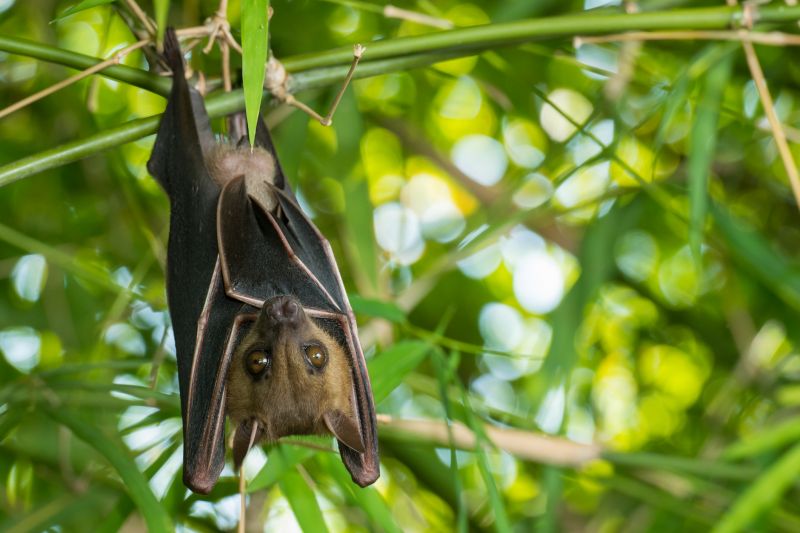
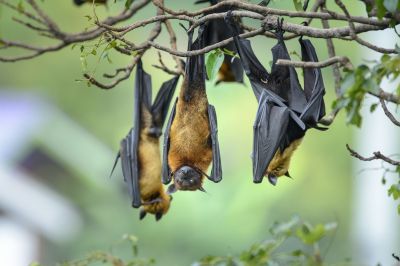
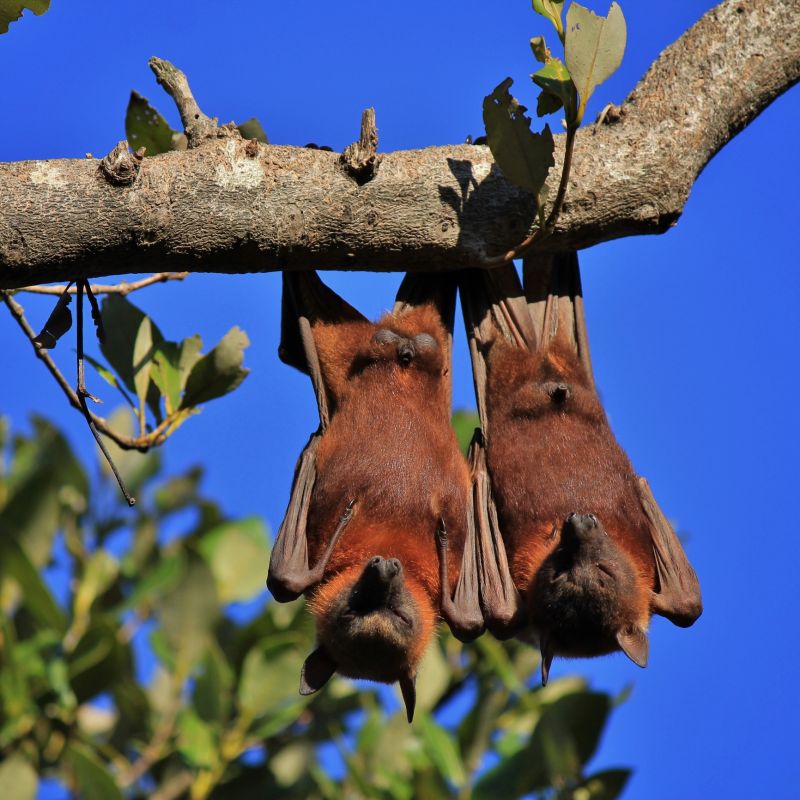
When searching for humane bird and bat deterrent methods for large buildings, most people are looking for ways to prevent these animals from roosting, nesting, or causing damage without harming them. Large structures such as office complexes, warehouses, hospitals, and shopping centers often attract flocks of birds or colonies of bats, leading to issues like droppings, noise, and potential health concerns. Property owners and managers typically want solutions that address these problems effectively while ensuring the animals are safely relocated or deterred. This search often stems from a desire to comply with local wildlife regulations, maintain a clean appearance, and avoid the mess and damage associated with bird and bat activity.
These projects generally relate to property maintenance, pest management, or building preservation plans. Large buildings with expansive rooftops, eaves, and ledges are common sites for bird and bat activity, making them prime candidates for humane deterrent methods. The goal is to implement strategies that discourage animals from settling in or returning, such as installing physical barriers, using visual or auditory deterrents, or employing exclusion devices. Property owners may also seek advice on how to integrate these deterrents into ongoing maintenance routines or building upgrades. The focus is on finding humane, effective, and long-lasting solutions that prevent animals from creating problems without causing them injury or distress.
Properties that come up frequently in these discussions include commercial office buildings, industrial warehouses, retail centers, hospitals, and educational campuses. These large-scale structures often feature architectural elements that provide ideal roosting or nesting sites, which can lead to significant animal presence if not managed properly. Additionally, historic buildings or sites with sensitive environments may require specialized humane methods to avoid damage or disturbance. Local service providers who specialize in humane bird and bat deterrent methods understand the specific challenges these properties face and can recommend tailored approaches that fit the size and design of each property.
For property owners and managers, understanding how humane bird and bat deterrent methods work in large buildings is essential for planning effective projects. These methods often involve a combination of physical barriers, such as netting or spines, and deterrents like visual scare devices or sound emitters designed to be humane and non-invasive. Local contractors experienced in these techniques can evaluate a building’s unique features, identify potential roosting or nesting sites, and recommend solutions that prevent animals from returning. Connecting with knowledgeable service providers ensures that large building projects are handled professionally, with a focus on humane treatment and long-term effectiveness.
Bird exclusion projects involve installing physical barriers and deterrents on large buildings, requiring planning skills similar to humane bird deterrent methods.
Bat habitat modification work focuses on humane exclusion techniques that prevent bats from roosting in structures, aligning with bat deterrent strategies for large buildings.
Building retrofit and sealing projects aim to prevent pest entry and roosting, utilizing planning and installation skills applicable to humane bird and bat deterrent methods.
Wildlife exclusion and removal services involve humane techniques to safely remove and deter animals from large structures, sharing skills used in humane bird and bat deterrent projects.
Structural pest management efforts include humane deterrent installation on large buildings to prevent bird and bat infestations, requiring similar planning and execution skills.
Urban wildlife management projects focus on humane strategies to control bird and bat populations around large buildings, utilizing comparable tools and planning approaches.

When evaluating service providers for humane bird and bat deterrent methods for large buildings, experience with similar projects is a key consideration. Homeowners should inquire about the contractor’s background in handling large-scale bird and bat deterrent installations, particularly on buildings comparable in size and structure. An experienced local contractor is more likely to understand the unique challenges that large buildings present and can recommend effective, humane solutions tailored to the specific environment. This familiarity can help ensure that the deterrent methods employed are appropriate, efficient, and respectful to the wildlife involved.
Clear written expectations are essential for a successful project. Homeowners should seek service providers who can provide detailed descriptions of the proposed humane bird and bat deterrent methods, including the scope of work, materials used, and the anticipated outcome. Having these expectations documented helps prevent misunderstandings and ensures that both parties are aligned on the goals of the project. It also provides a reference point throughout the process, making it easier to address any questions or concerns that may arise during installation or afterward.
Reputable references and good communication are vital when selecting local contractors for humane deterrent methods. Homeowners are encouraged to ask for references from previous clients who had similar large-building projects completed. This feedback can offer insights into the contractor’s reliability, professionalism, and ability to deliver humane solutions effectively. Additionally, service providers who communicate clearly and promptly-whether through phone, email, or in-person discussions-demonstrate a commitment to transparency and customer service. Good communication helps ensure that expectations are understood, questions are answered, and the project proceeds smoothly.
Property owners often search for humane bird and bat deterrent methods for large buildings when they are planning practical projects around their homes and businesses. Local pros provide Humane Bird and Bat Deterrent Methods services for everyday jobs and straightforward project options.
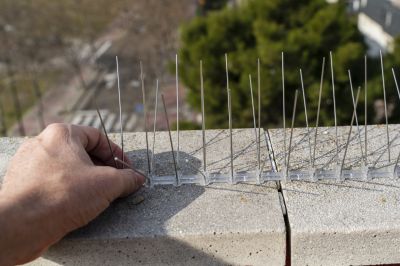

Property owners dealing with bird or bat activity on large buildings often seek humane deterrent methods to address the issue effectively. Common situations include unwanted nesting or roosting that can lead to property damage, health concerns, or aesthetic problems. In these cases, local contractors who specialize in humane bird and bat deterrent methods can provide solutions that protect the animals while preventing future issues. These professionals understand the importance of non-lethal, ethical approaches and can recommend strategies tailored to the specific needs of large structures.
Choosing the right service provider can help property owners implement effective humane deterrent methods that are both safe and compliant with local regulations. Whether dealing with persistent bird droppings or bats nesting in hard-to-reach areas, experienced local contractors can assess the situation and suggest suitable techniques such as bird spikes, netting, or exclusion devices. Connecting with local pros ensures that the project is handled professionally, minimizing damage to the building and promoting humane treatment of the wildlife involved.
What are humane bird and bat deterrent methods for large buildings? Humane bird and bat deterrent methods for large buildings include techniques such as visual deterrents, exclusion devices, and habitat modification that prevent birds and bats from roosting or nesting without causing harm.
How do local contractors implement humane bird and bat deterrent methods? Local contractors assess building features and wildlife behavior to recommend and install humane deterrent solutions like bird netting, spikes, or one-way doors that allow animals to exit but prevent re-entry.
Are humane deterrent methods effective for large buildings? Yes, when properly installed and maintained, humane deterrent methods can effectively reduce bird and bat presence on large buildings without harming the animals.
What types of humane bird and bat deterrent methods are suitable for large structures? Suitable methods for large structures include bird netting, visual scare devices, sonic deterrents, and habitat modification to make the area less attractive to birds and bats.
How can I find local service providers for humane bird and bat deterrent methods? To find local service providers, search for contractors specializing in wildlife exclusion and humane deterrent solutions who can assess your building and recommend appropriate methods.
Bird and Bat Deterrent Devices - Installing humane deterrent devices on building exteriors can prevent birds and bats from roosting in unwanted areas. Property owners can work with local contractors to select and install effective, humane solutions.
Exclusion and Barrier Techniques - Using physical barriers such as netting or specialized screens helps keep birds and bats away from entrances and vents. Local service providers can customize these barriers to suit large building layouts.
Habitat Modification Strategies - Removing or altering features that attract birds and bats, like nesting sites or overhangs, can reduce their presence. Professionals can advise on safe modifications that discourage roosting without harming the animals.
Regular Maintenance and Inspection - Routine checks of deterrent systems and building features ensure humane methods remain effective. Local contractors can provide ongoing maintenance to support long-term bird and bat management.
If you are thinking about humane bird and bat deterrent methods for large buildings for a property, this guide is meant to help you understand this topic, the typical project types, and how different options might fit your plans.
When you are ready, you can use the quote form on this page to share a few details about your project. From there, local pros can review the basics and follow up with options that match what you have in mind.